- +44 7971 451658
- Info@uhcal.co.uk



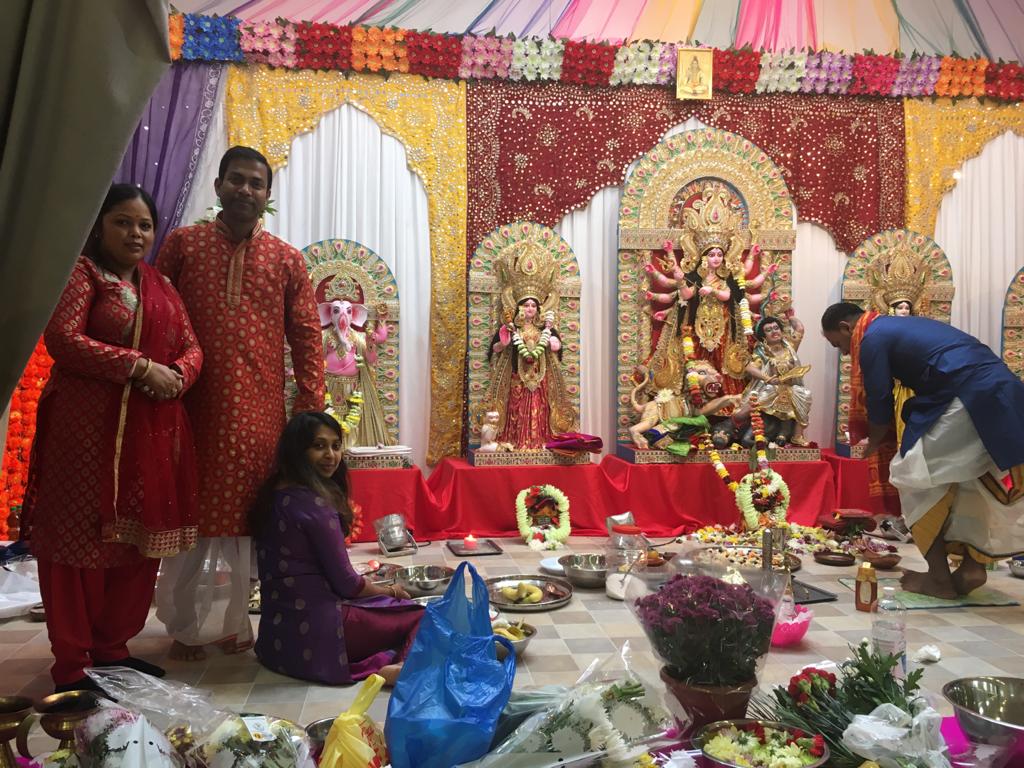
In the intricate tapestry of Hindu philosophy, the notion of harmony is intricately woven with the understanding of interconnectedness and the unity of all beings. The teachings of Hinduism underscore the importance of living in peace and mutual respect, guiding individuals towards a life of dharma (righteousness) and compassion. Promoting harmony within society is not merely a social necessity; it is a profound spiritual imperative that resonates through the ages.
Central to Hindu teachings is the principle of ahimsa, or non-violence, which transcends mere physical non-harm to encompass thoughts, words, and deeds. This philosophy encourages individuals to cultivate kindness, empathy, and respect towards all forms of life. By embodying ahimsa, we create an environment conducive to coexistence, fostering a culture where differences are celebrated rather than condemned. The practice of non-violence extends to how we engage in discussions and debates, urging us to express our views without hostility and to approach disagreements with a spirit of understanding.
Hinduism embraces diversity through the acknowledgment of various paths leading to the divine. The profound statement "Ekam Sat, Vipra Bahudha Vadanti"—"Truth is one, but the wise call it by many names"—invites individuals to honor differing beliefs and practices. This acknowledgment fosters a sense of unity amidst diversity, encouraging interfaith dialogue and cultural exchange. By recognizing that each tradition contributes to the broader tapestry of human experience, we can cultivate mutual respect and harmony among diverse communities.
Community plays an essential role in promoting harmony within Hindu society. Festivals, rituals, and communal gatherings create opportunities for individuals to come together, share their experiences, and strengthen interpersonal bonds. These events not only enhance cultural appreciation but also foster a sense of belonging. Engaging in collective activities, such as charity and service (seva), further cements community ties. When individuals collaborate for a common cause, they cultivate a supportive environment where harmony can thrive, creating a collective impact that resonates throughout society.
In Hinduism, education extends beyond academic learning to encompass moral and ethical teachings. Instilling values such as compassion, tolerance, and respect for all living beings is fundamental in nurturing future generations that prioritize harmony. Storytelling, parables, and teachings from sacred texts like the Bhagavad Gita serve as powerful tools for imparting these essential values. By integrating these teachings into educational curricula, we can equip young minds with the wisdom and understanding necessary to navigate a diverse world.
In the face of conflict, Hindu philosophy advocates for dialogue and understanding as the primary means of resolution. The epic tale of the Mahabharata illustrates the complexities of human relationships and the necessity of seeking resolution through communication rather than violence. By encouraging open discussions and mediation, we can address disputes constructively, promoting a culture of understanding and reconciliation. Establishing platforms for dialogue within communities can help break down barriers and foster a spirit of cooperation.
Engaging in spiritual practices such as meditation, yoga, and prayer cultivates inner peace and fosters a sense of connection with others. These practices encourage individuals to develop a calm mind and a compassionate heart—qualities essential for promoting harmony in society. Group meditation sessions or community yoga classes can serve as platforms for collective introspection and shared experiences, reinforcing community spirit and fostering deeper connections among participants.
Promoting harmony in society from a Hindu perspective involves embracing the principles of ahimsa, celebrating diversity, strengthening community ties, and fostering education grounded in ethical values. By practicing compassion and understanding, we can create a society where individuals coexist peacefully, respecting one another's differences while recognizing our shared humanity. Through these collective efforts, we can manifest the ideals of harmony central to Hindu philosophy, ultimately leading to a more cohesive, loving, and harmonious society. Let us strive to embody these teachings in our daily lives, contributing to a world where peace and mutual respect prevail.