- +44 7971 451658
- Info@uhcal.co.uk



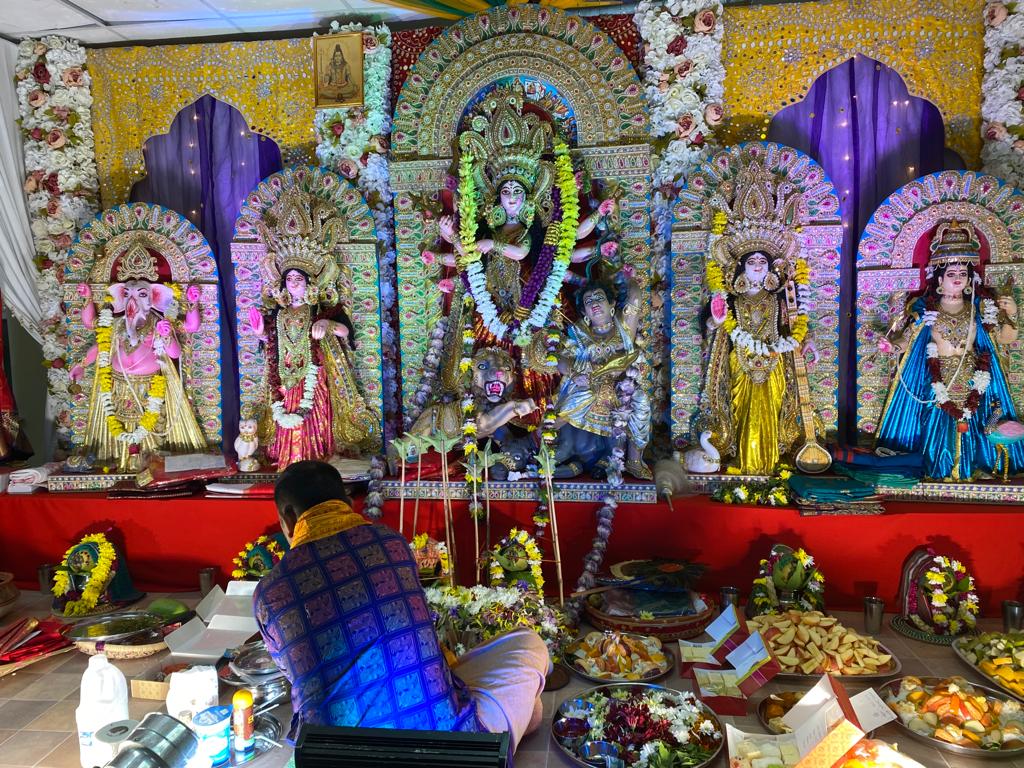
In Hindu philosophy, the concept of giving back to society is deeply rooted in the understanding of dharma (righteousness) and the interconnectedness of all beings. The teachings of Hinduism emphasize selfless service, compassion, and a sense of responsibility towards others. This perspective encourages individuals to contribute positively to their communities and uphold the values that foster societal well-being.
Central to Hindu teachings is the principle of ahimsa, or non-violence, which transcends mere physical non-harm to encompass thoughts, words, and deeds. This philosophy encourages individuals to cultivate kindness, empathy, and respect towards all forms of life. By embodying ahimsa, we create an environment conducive to coexistence, fostering a culture where differences are celebrated rather than condemned. The practice of non-violence extends to how we engage in discussions and debates, urging us to express our views without hostility and to approach disagreements with a spirit of understanding.
*Volunteering at Local Orphanages:* Many Hindus engage in activities like teaching children at orphanages, providing mentorship, or organizing recreational activities.
*Disaster Relief Efforts:* In times of natural calamities, numerous Hindu organizations mobilize volunteers to provide relief, food, and medical assistance to affected communities.
*Health Camps:* Organizing free health camps in underprivileged areas to provide medical check-ups and treatments can be a form of seva that significantly benefits the community.
This act of giving not only benefits others but also enriches the giver's life, fostering a deeper sense of purpose and fulfillment.
*Dana*, or generosity, is another vital aspect of giving back in Hindu tradition. It emphasizes the importance of sharing one's wealth, knowledge, and resources for the benefit of others. Hindu scriptures advocate for charity as a means of purifying one's soul and accumulating good karma.
*Donating to Charitable Organizations:* Many individuals contribute financially to organizations that support education, healthcare, and poverty alleviation.
*Feeding the Needy:* The practice of providing food to those in need, especially during festivals, is a common form of dana. For instance, distributing food during festivals like Diwali or Navratri can help those less fortunate.
*Scholarships for Students:* Establishing scholarships for underprivileged students allows individuals to share their resources to empower the next generation through education.
By practicing generosity, individuals contribute to the welfare of society and help alleviate suffering, reinforcing the idea that we are all interconnected.
In Hindu culture, community and family play essential roles in promoting the spirit of giving back. Family gatherings often emphasize sharing resources and supporting one another in times of need. Community events, such as festivals and celebrations, frequently include charitable activities, reinforcing the collective responsibility to care for those around us.
*Community Clean-Up Drives:* Organizing local clean-up events not only beautifies the environment but also fosters a sense of responsibility and teamwork among community members.
*Charity Walks and Runs:* Participating in or organizing charity events can raise funds for various causes while bringing the community together for a shared purpose.
Engaging in such communal acts of service fosters strong bonds among individuals, creating a supportive environment where everyone is encouraged to contribute to the greater good.
Education is a powerful tool for giving back to society. Hindu teachings emphasize the importance of knowledge and wisdom, not just for personal growth but also for uplifting others. By sharing knowledge and skills, individuals can empower others to improve their lives.
*Mentoring Programs:* Experienced professionals can offer their time to mentor youth, helping them navigate their educational and career paths.
*Vocational Training Centers:* Setting up training programs that equip individuals with skills for employment can significantly uplift communities by reducing poverty and increasing self-sufficiency.
*Literacy Campaigns:* Organizing community literacy programs can help educate adults and children alike, fostering a more informed society.
By investing in education, individuals contribute to the development of a more knowledgeable and capable society, ultimately uplifting the community as a whole.
Giving back is not only a social obligation but also a spiritual practice in Hinduism. Engaging in acts of kindness and service is seen as a way to cultivate virtues such as compassion, empathy, and humility. These qualities are essential for spiritual growth and help individuals connect with the divine.
*Participating in Spiritual Retreats:* Many temples and spiritual organizations offer retreats focused on service and self-reflection, allowing individuals to deepen their spiritual practice while contributing to society.
*Group Meditation for Peace:* Organizing community meditation sessions aimed at promoting peace and well-being can unite individuals in a common cause, enhancing both individual and collective spiritual growth.
By serving others, individuals can experience a sense of unity with all beings, deepening their understanding of the interconnectedness of life.
From a Hindu perspective, giving back to society is an essential aspect of living a fulfilling and meaningful life. Through selfless service (seva), generosity (dana), and a commitment to community, individuals can contribute to the well-being of others while fulfilling their own spiritual and ethical duties. By embracing these principles and participating in the examples provided, we can foster a culture of compassion, support, and interconnectedness, ultimately leading to a more harmonious and equitable society. In the spirit of giving, let us strive to uplift those around us and contribute positively to the world we share.