- +44 7971 451658
- Info@uhcal.co.uk


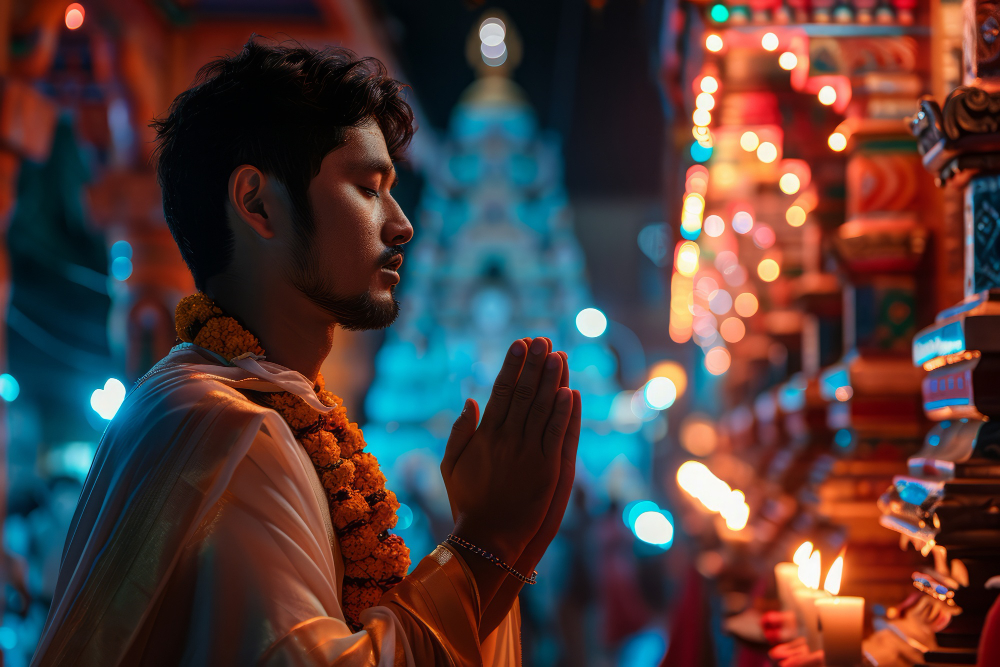
In Hindu philosophy, being a custodian of culture involves preserving and promoting the rich traditions, values, and practices that define the Hindu way of life. This role is not merely about maintaining historical customs; it encompasses the active responsibility of individuals and communities to pass down wisdom, rituals, and ethical principles to future generations. The concept of being a custodian of culture is deeply rooted in the belief that cultural heritage is integral to personal and communal identity.
In Hindu culture, families serve as the primary custodians of tradition. Elders are revered for their wisdom and knowledge, and they play a crucial role in imparting cultural values to younger generations. This transmission of culture includes teaching children about rituals, festivals, and moral stories from scriptures.
*Example:*During festivals like Diwali or Navratri, families come together to celebrate traditions, share stories about their significance, and perform rituals that have been passed down through generations. Elders often recount tales from the Ramayana or Mahabharata, instilling moral values and cultural identity in the younger members.
Communities also play a vital role in being custodians of culture. Local temples and cultural organizations often organize events that celebrate and preserve Hindu traditions. These gatherings serve as platforms for individuals to engage with their cultural heritage and foster a sense of belonging.
*Example:* Community events such as cultural fairs or religious processions highlight traditional music, dance, and art forms. Events like the Ratha Yatra (Chariot Festival) in Puri, where the deities are paraded through the streets, not only preserve religious practices but also strengthen community ties and reinforce cultural identity.
Education is another critical aspect of cultural custodianship. Hindu philosophy emphasizes the importance of imparting knowledge about scriptures, philosophy, and ethical living. Educational institutions, including schools and temples, often incorporate teachings that emphasize cultural heritage and values.
*Example:* Gurukuls, traditional Hindu schools, played a significant role in teaching students about scriptures, philosophy, and the arts. Even today, modern educational institutions often include courses on Indian history, philosophy, and Sanskrit, ensuring that students understand their cultural roots.
The arts play a significant role in preserving and expressing cultural identity. Hindu literature, music, dance, and visual arts are rich in symbolism and meaning, reflecting the values and beliefs of Hindu culture. Artists and performers act as custodians by keeping these traditions alive and relevant.
*Example:* Classical dance forms like Bharatanatyam and Kathak have rich histories tied to Hindu mythology and spiritual practices. Dancers who perform these art forms not only entertain but also educate audiences about the cultural narratives and philosophies embedded within them.
While the custodianship of culture is vital, it faces challenges in the modern world. Globalization and rapid technological advancements can threaten traditional practices. However, custodians of culture adapt by finding innovative ways to keep traditions relevant to contemporary society.
*Example:* Many Hindu organizations use social media and digital platforms to share cultural teachings, rituals, and festivals with a broader audience. Online workshops, virtual celebrations of festivals, and educational videos help engage younger generations who may be distanced from traditional practices.
Being a custodian of culture in the Hindu perspective involves a deep sense of responsibility to preserve and promote the rich tapestry of traditions, values, and practices that define the Hindu way of life. Through the roles of family, community, education, and the arts, individuals can actively engage in safeguarding their cultural heritage. By adapting to modern challenges while honoring ancient wisdom, custodians ensure that the essence of Hindu culture continues to thrive and be passed down to future generations. In this way, they contribute not only to their personal identity but also to the collective identity of the Hindu community.